Catalogue Request Form…!

The textile industry is constantly evolving, and advances in technology have led to significant improvements in the production process. Textile auxiliaries are one field of the industry that has witnessed substantial advancements.
Textile auxiliaries are chemical compounds that are used to enhance the properties of textiles such as color, durability, and functionality. With the growing demand for textiles that are sustainable, functional, and aesthetically pleasing, the use of advanced textile auxiliaries is becoming increasingly important.
This article will explore the future of textile auxiliaries and the advancements in nanotechnology, smart textiles, and sustainable materials that are revolutionizing the textile industry. By integrating these advanced technologies into textile auxiliaries, the industry can create textiles that are not only functional and durable but also environmentally friendly and sustainable.

Nanotechnology refers to the manipulation of matter on an atomic and molecular scale. In the textile industry, nanotechnology has enabled the development of advanced textile auxiliaries that enhance the properties of textiles. Nanoparticles can be added to textile auxiliaries to improve various characteristics such as water repellency, stain resistance, and UV protection.
Nanotechnology has revolutionized the textile industry in several ways.
These advancements have opened up new possibilities for textile manufacturers and designers, leading to the creation of textiles that are more versatile, comfortable, and sustainable.
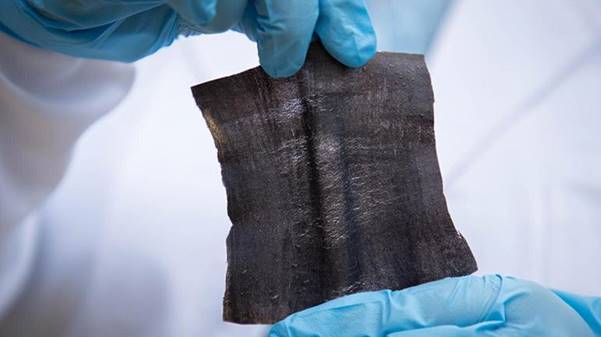
Smart textiles are fabrics that have been engineered to have additional functionalities beyond their basic textile properties. They are designed to interact with their environment, either by sensing and reacting to changes in the environment or by actively changing the environment themselves. Smart textiles use technology such as sensors, actuators, and control systems to achieve their advanced functionality.
Smart textiles have a wide range of potential applications in industries such as healthcare, sports, fashion, and automotive. Here are some examples of smart textiles:
Smart textiles are an exciting area of development in the textile industry. They have the potential to transform the way we interact with our clothing and the environment around us. As technology continues to advance, we can expect to see even more innovative applications of smart textiles in the future.
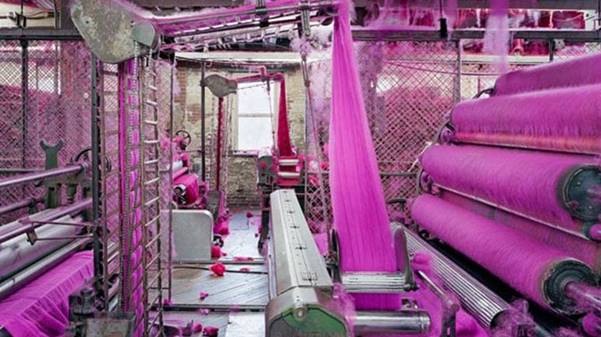
The textile industry is one of the largest polluters in the world, with the production of textiles contributing to significant environmental damage. In recent years, there has been a growing demand for sustainable materials in the textile industry. Sustainable materials are those that have a reduced impact on the environment and are ethically sourced and produced.
Here are some examples of sustainable materials in the textile industry:
The use of sustainable materials in the textile industry has numerous benefits. It reduces the environmental impact of textile production, promotes ethical farming practices, and supports a more sustainable and equitable industry. As consumer demand for sustainable textiles continues to grow, we can expect to see more sustainable materials being used in the production of textiles in the future.
The integration of nanotechnology, smart textiles, and sustainable materials will lead to the development of a more sustainable, functional, and innovative textile industry. As consumers become more conscious of the environmental impact of their purchasing decisions, textile manufacturers must adapt to meet the demand for more sustainable and ethical products.
Choose Colourinn Industries for all your textile chemical needs and experience the difference for yourself. With our commitment to quality, safety, and sustainability, we have established ourselves as the leading textile auxiliary chemicals manufacturer in the industry.
Our wide range of products, from eco-friendly dyes to chemical auxiliaries, will meet all your textile needs. But it’s not just our products that set us apart. Our dedication to excellent customer service means you can expect hassle-free ordering and contactless delivery, ensuring you receive your products quickly and safely. So why settle for anything less than the best?
Experience the ultimate in quality, reliability, and customer service when it comes to your textile chemical needs. Contact us today to learn more!
A. The future of textile technology is promising with advancements such as smart textiles, sustainable textiles, 3D printing, and more.
A. The role of nanotechnology in sustainable textiles is to enhance their properties, durability, and functionality while reducing their environmental impact. It is also used to create textiles that are water and stain-resistant, self-cleaning, and more durable.
A. Nanotechnology materials can be used to create self-cleaning surfaces, water, and stain-resistant coatings, and more efficient energy storage and conversion devices.