Developing fabrics that are smooth and offer comfortable stretch has become a must for textile mills wanting to compete.
Textile finishing changes raw fabrics into ready-to-wear materials meeting everyday use and market demands.
High-quality fabric production relies on textile auxiliaries to achieve vibrant colors, lasting durability, and a soft, appealing feel that meets global standards.
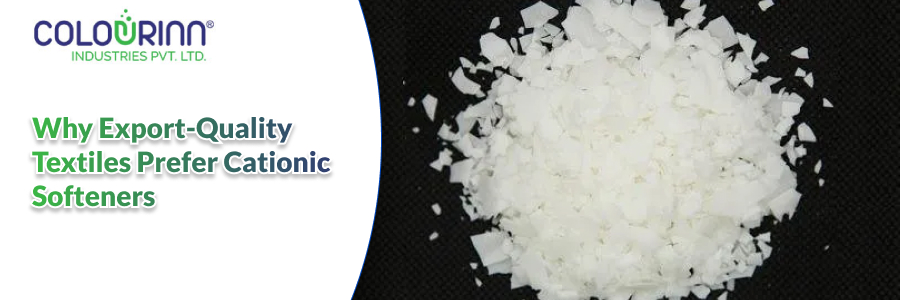
Export-quality textiles must meet stringent global standards for softness, durability, and visual appeal. This article discusses why these qualities are attained with a cationic softener.
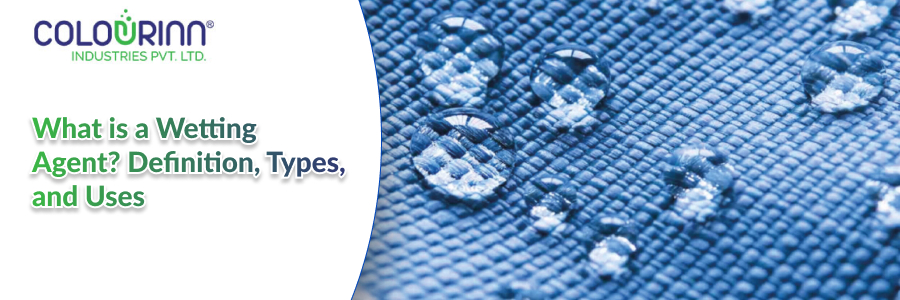
Wetting agents lower the surface tension of liquids, allowing them to spread more easily and penetrate more surfaces.
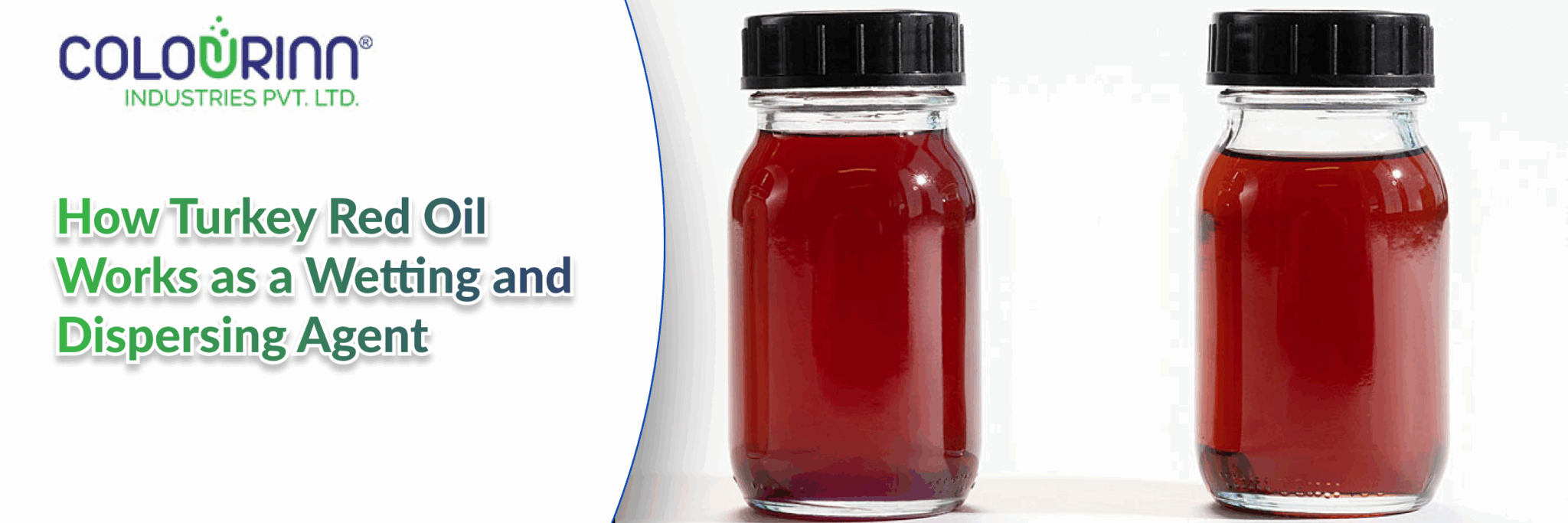
Turkey red oil, or sulfated castor oil, is a revolutionary wetting and dispersing agent for textile processing.
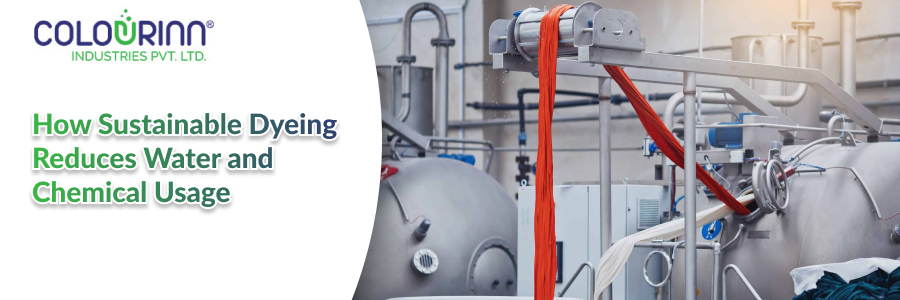
Typical Dyeing uses water and chemicals, which pollute and use resources. This article describes how sustainable dyeing uses fewer resources with waterless …
Explore what green textiles are doing to reinvent the industry with sustainable textile finishing solutions. This blog reviews the environmental issues related …
The right acetic acid substitute is an important decision for textile manufacturers who want to optimize dyeing processes while considering sustainability and …
Wet rubbing fastness is the foundation of textile finishing, where fabrics maintain their color and quality when wet rubbing. Its importance, testing …
Want your fabrics to feel softer, last longer & perform better? The right silicone softener makes textiles soft, durable and functional in …
Silicone softener solutions in textiles contribute to fabric comfort, durability and appeal. This article reviews the types of silicone softeners for textiles, …
For textile manufacturers, the right dyeing method is essential to achieve aesthetics, durability and sustainability. Some important dye types are natural, synthetic, …
In textile dyeing and finishing, pH control is key to vibrant colours and durable fabrics. This article will explain why acid buffer …
A blooming agent is a game-changer in textile processing, making colours deeper and fabrics more vibrant. This guide explains what blooming agents …
Water repellent chemicals transform textiles, making them water resistant while breathable and comfortable. This guide covers their role in the textile industry, …
Disperse dyeing is a specialized process for adding color to synthetic fibers (polyester, nylon, acrylic). In this article, we will discuss the …
Dyeing textiles meets design, performance and sustainability standards whether for fashion, home textiles or industrial fabrics. With textile production, dyeing techniques have …
In the textile Industry, fabric quality determines product success. Be it everyday apparel, luxury home textiles or industrial fabrics, consumers and manufacturers …
The turkey red oil industry is growing, with sustainability, technological advances and changing market demands. With rising consumer demands for eco-friendly and …
When it comes to cleaning, removing stains is often at the top of the list of household challenges. Whether it’s a spilled …
ColourInn is excited to showcase its versatile range of Stain Removers for advanced textile and garment care. Stains are unavoidable: a morning …
Excessive foam creates more than just aesthetic problems. It leads to uneven dyeing, jams machinery, wastes water and energy delays timelines – …
If you are working in textile manufacturing, we are sure you might have heard about silicone defoamers you would know how foam-related …
Have you ever looked at some fabrics, papers, or detergents that are brighter or whiter than others? If yes, it’s all because …
Turkey red oil (TRO), alternatively called sulfated castor oil, is an important industrial chemical. It is a derivative of castor oil, an …
The search for more economical and environmentally friendly dying techniques is essential in the textile sector. Although soda ash has long been …
The enzymes in the textile business, a modern take on an age-old art, use a number of processes to produce the fabrics …
The presence of antifoaming agents in many industrial processes can lead to inefficiencies, equipment malfunctions, and compromised product quality. In order to …
Dispersing agents play a critical function in the textile industry to achieve brilliant colors and consistent dying. These chemicals help in the …
The textile industry continuously evolves to meet demands for more durable and long-lasting fabrics. Because they increase the strength and endurance of …
Silicone softeners are changing the way we think about fabric treatment in the textile industry. These innovative additives enhance the softness and …
Textile Printing is transforming the fabric industry, combining technology with creativity to transform textile production. This integration allows for high-speed operations, reduced …
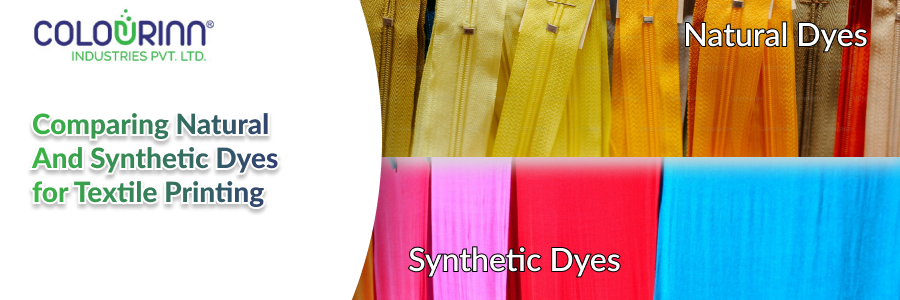
Textile printing has a rich history, beginning with natural dyes that have been used for thousands of years. But synthetic dyes have …
Wet rubbing fastness improver plays a crucial role in the textile industry, significantly enhancing the durability and colour retention of dyed fabrics. …
Turkey Red Oil (TRO), also known as sulfated castor oil, is a versatile substance with a wide range of applications across various …
As the textile industry evolves, the demand for quality finishing chemicals, especially silicone softeners has surged. These softeners are pivotal in giving …
The textile industry is embracing a transformation characterized by innovative materials and sustainable practices. From the latest fibers that enhance environmental friendliness …
In the world of textiles, finishing processes are crucial for enhancing both the aesthetic appeal and functionality of fabrics. These treatments can …
The textile industry is a colorful world where the vibrancy and durability of fabrics play a crucial role in the marketability of …
The world of textile manufacturing is complex and fascinating, involving a plethora of techniques to achieve the final product. One such method …
In the textile dyeing industry, achieving uniform coloration and fabric appeal is paramount. This is where leveling and wetting agents come into …
Discovering the perfect wet rubbing fastness improver can be a game-changer for textile enthusiasts who are passionate about preserving the vibrancy and …
Selecting a nonionic softener manufacturer is a pivotal decision for any textile business aiming to enhance the quality and feel of its …
The textile industry has always been at the forefront of adopting innovative chemicals and processes to enhance fabric quality and efficiency. Among …
In the world of textiles, achieving the perfect feel and comfort is paramount. Among the myriad of solutions available, cationic softeners stand …
In the colourful world of fabric dyeing, the right ingredients make all the difference in bringing a piece of cloth to life. …
Cotton, a fabric as ancient as civilization, continues to grace our wardrobes with its comfort and versatility. However, the true potential of …
With sustainability at the forefront of global innovation, Textile Finishing Chemicals Suppliers are stepping up to transform the industry. As consumers grow …
With fashion trends evolving at lightning speed, the textile industry faces the challenge of not just keeping up but also adopting practices …
The textile industry has witnessed a myriad of innovations throughout the years. From intricate design patterns to advanced fabric treatments, the journey …
The fashion and textile industry, bearing the hallmark of vibrancy and colour, often hides a less glamorous truth: its environmental impact. But …
In the textile industry, the influence of dyeing and printing auxiliaries is often understated. These chemicals serve crucial functions, and it’s worth …
Textile finishing is an essential step in converting raw fabric into useful products. However, the role of chemicals in this process often …
For centuries, the quest to achieve the perfect hue on a piece of fabric has been a mix of art, science, and …
In the colourful world of textiles, there’s a behind-the-scenes hero that often doesn’t get the spotlight: the magic touch of Textile Finishing …
In a wide range of industries, from food and beverages to textiles and pharmaceuticals, foam formation can pose significant operational challenges. Anti-foaming …
The textile industry, which makes all our clothes and fabrics, is a huge part of the world’s economy and affects nearly everyone …
The textile industry is a vibrant sector teeming with innovation, creativity, and ingenuity. However, it’s also an industry historically plagued by a …
From the soft feel of your favorite t-shirt to the radiant colors of your new dress, there’s more to your garments than …
Textile auxiliaries, often overlooked, are pivotal in enhancing the quality of fabrics. These specialised chemicals serve multiple purposes – from improving colour …
Introduction Textile dyeing and printing auxiliaries are chemicals and materials that guide towards enhancing the dyeing and printing processes of textiles. These …
What does finishing textiles with chemicals mean? Chemical finishing of textiles is a process of treating and gathering materials with various chemicals …
The textile industry is constantly evolving, and advances in technology have led to significant improvements in the production process. Textile auxiliaries are …
Do you remember anything about Enzymes? Were you a nerd who was so interested in science? Then you must know what enzymes …
From our markets to our houses, from a new shop to a well-built company, this market is full of textile products. From …
Bio enzyme cleaners are cleaning solutions from organic components like bacteria and enzymes. These components combine to digest and break down organic …
Get your hot cup of coffee and turn on your favorite show on Netflix, Winters are here!!! The most comforting weather of …
Can textiles be softened? Yes, textiles can be softened. The softener works as a helper that can mop up the surface of …
According to a lot of bio enzyme suppliers in India, bio enzymes are biological molecules that work as catalysts to quicken chemical …
Introduction Enzymes have been playing a very important role for human beings for an extended period. They can be defined as living …
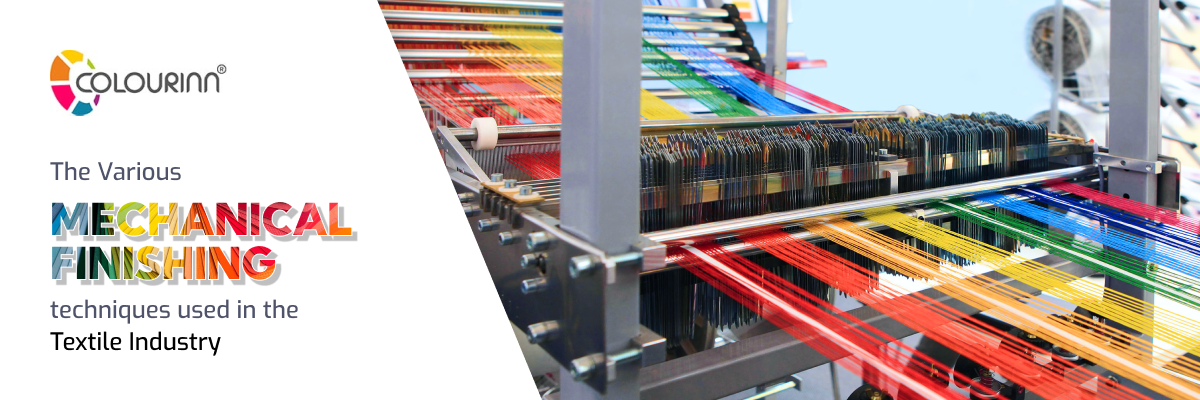
Introduction Mechanical finishing techniques, used in the textile industry, are defined as a type of finishing done mechanically, which assists in giving …
Chemical finishing is a process in which textiles are subjected to chemical treatments to improve their appearance. Chemical treatments include: Bleaching Dyeing …
Do you think the fabric you are wearing might produce a foul odor? Or making you smelly all day long so your …
A finished textile good is always valued and appreciated more in the market than in its original or raw form. Textile pretreatment …
The reactive dyes react chemically with the fabric to form a covalent bond and firmly bond with it. These dyes are commonly …
The process of textile manufacturing has evolved. To enhance the quality of the fabric, manufacturers use different equipment and chemicals. The textile …
The textile industry is primarily driven by the look and feel of the fabric. Textile manufacturers constantly try to amplify the fabric’s …